A hot flash that interrupts a meeting is frustrating. Night sweats that repeatedly break up sleep can make the next day feel impossible. When menopause symptoms begin affecting work, relationships, movement, mood, or confidence, the question becomes practical: what might actually help? This guide looks at menopause relief approaches compared with attention to benefits, limits, safety, and the reality that no two people experience this transition in quite the same way.
Menopause is confirmed after 12 consecutive months without a menstrual period, but symptoms often start in perimenopause, sometimes years earlier. Fluctuating hormones can contribute to hot flashes, sleep disruption, vaginal or urinary changes, anxiety, low mood, joint aches, fatigue, and brain fog. Some people have mild symptoms; others need meaningful support to get through ordinary days.
Menopause Relief Approaches Compared: Start With Your Symptoms
There is no single “best” menopause treatment. The right choice depends on your symptom pattern, health history, medications, personal preferences, and whether you are still having periods. A person whose main concern is severe night sweats may make a different decision than someone dealing chiefly with anxious feelings, restless sleep, or aching knees and hips.
A useful first step is to notice patterns for two or three weeks. Record when symptoms appear, how long they last, what seems to trigger them, how sleep is affected, and whether they interfere with work or daily activities. This gives your primary care provider and any complementary-care practitioner a clearer picture than a general statement that you are “not feeling like yourself.”
Hormone Therapy: Often Effective, Not Suitable for Everyone
Menopausal hormone therapy, sometimes called MHT or HRT, is among the most effective medical options for frequent hot flashes and night sweats. Depending on the situation, it may involve estrogen alone or estrogen combined with a progestogen. It can also help some people with sleep disturbance related to vasomotor symptoms and genitourinary symptoms of menopause.
For appropriately selected patients, particularly those who are younger than 60 or within about 10 years of menopause onset, the benefits can outweigh the risks. But that assessment must be personal. A history of certain cancers, blood clots, stroke, liver disease, unexplained vaginal bleeding, or other medical factors may change what is appropriate. The form of treatment also matters. Patches, gels, tablets, and local vaginal therapies do not all carry the same considerations.
Hormone therapy is not a failure of “natural” care, nor is it automatically the right answer. It is a medical option worth discussing with a physician or nurse practitioner who knows your health history. If you are considering it, ask what symptom it is intended to treat, what changes to expect, how long a trial should last, and what follow-up is needed.
Non-Hormonal Medical Options: Useful When Hormones Are Not the Fit
Some people cannot use hormone therapy, prefer not to, or still need help with specific symptoms. In those cases, a prescribing clinician may discuss non-hormonal medications that can reduce hot flashes for some patients. Certain antidepressants at lower doses, gabapentin, clonidine, and newer non-hormonal therapies may be considered depending on your symptoms and medical history.
These options can be valuable, but they are not interchangeable. One may be more useful when sleep is a major concern, while another may be less suitable if it causes dizziness, dry mouth, nausea, or daytime tiredness. A careful conversation about side effects matters, especially if you already take medication for mood, blood pressure, pain, or sleep.
For vaginal dryness, discomfort with intercourse, or recurring urinary symptoms, local treatments and moisturizers may be more relevant than a systemic approach. You do not have to accept these changes as something to silently endure. They are common, and they are treatable.
Lifestyle Support: Small Changes That Can Have Real Value
Lifestyle measures rarely erase severe menopause symptoms on their own, but they can lower the overall strain on your nervous system and improve resilience. Consistent sleep and waking times, regular movement, adequate protein and fibre, hydration, and limiting alcohol can all be worthwhile. Some people notice that alcohol, spicy foods, hot drinks, smoking, stress, or warm rooms trigger hot flashes more reliably.
The key is not to turn menopause into a full-time self-improvement project. Restrictive diets and punishing exercise plans can add stress when energy is already low. A more realistic aim is steady support: walking, strength training suited to your abilities, mobility work, and meals that help keep energy and blood sugar more even.
Strength and weight-bearing exercise deserve particular attention because bone and muscle health become increasingly important through midlife. If joint pain, stiffness, injury, or fatigue make exercise difficult, begin at a level that feels manageable. Progress is more useful than perfection.
Acupuncture and Traditional Chinese Medicine: Individualized Complementary Care
Acupuncture is often considered by people who want a non-pharmaceutical way to support hot flashes, sleep, stress, pain, and general wellbeing during menopause. Research findings on acupuncture for hot flashes are mixed, with some studies showing benefits and others showing more modest or uncertain effects. That does not mean the experience is identical for every person. Symptom patterns, treatment consistency, expectations, and the quality of the clinical assessment can all influence perceived benefit.
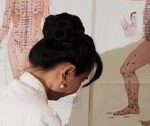
In Traditional Chinese Medicine, care is not based only on the word “menopause.” A registered practitioner considers the full presentation: heat sensations, sleep quality, sweating, digestion, energy, pain, emotional stress, circulation, and the ways symptoms change across the day. Treatment may include acupuncture and, where appropriate, supportive modalities such as heat therapy or cupping. The goal is to provide care that responds to your individual pattern rather than offering a one-size-fits-all protocol.
For many patients, acupuncture is most useful as part of a broader plan. It may be chosen alongside medical care, movement, sleep support, or counselling. It should not replace medical assessment for heavy bleeding, chest pain, sudden severe headaches, fainting, new neurological symptoms, or symptoms that raise concern for another condition.
At Cindy TCM Acupuncture-Orillia, care begins with a detailed, one-to-one assessment so treatment can be adjusted as symptoms and priorities change. Single-use disposable needles and a gentle approach can be especially reassuring for those trying acupuncture for the first time.
Supplements and “Natural” Products: Be Curious, but Careful
Many menopause products are marketed as natural answers to hot flashes, sleep issues, or mood changes. Natural does not automatically mean safe, effective, or compatible with your medications. Evidence for supplements such as black cohosh, soy isoflavones, red clover, and other herbal blends varies widely. Product quality can vary too.
This is particularly important if you have a history of hormone-sensitive cancer, liver concerns, thyroid disease, or take blood thinners, antidepressants, diabetes medication, or several prescriptions at once. Bring the actual bottle or a complete ingredient list to your pharmacist, physician, or qualified practitioner before starting a supplement. “Menopause support” blends can contain multiple ingredients, making reactions and interactions harder to identify.
Building a Plan You Can Sustain
The most helpful plan is often layered rather than dramatic. You may decide to discuss hormone therapy with your medical provider while also working on sleep, strength, stress management, and acupuncture for symptom support. Or you may begin with non-hormonal medical options and complementary care because hormones are not suitable for you. Both are reasonable paths when guided by good information.
Give any chosen approach enough time to assess it, unless side effects or worsening symptoms require earlier review. Keep track of changes in sleep, hot-flash frequency, mood, pain, and daily function. “I am waking only once instead of four times” is meaningful progress, even if symptoms have not disappeared completely.
Menopause can feel unfamiliar, but it does not have to become a period of simply pushing through discomfort. A thoughtful conversation, a careful assessment, and support that respects your health history can help you move forward with more comfort and confidence.